


Can I Take a Non-DOT Drug Test at Any Testing Center?

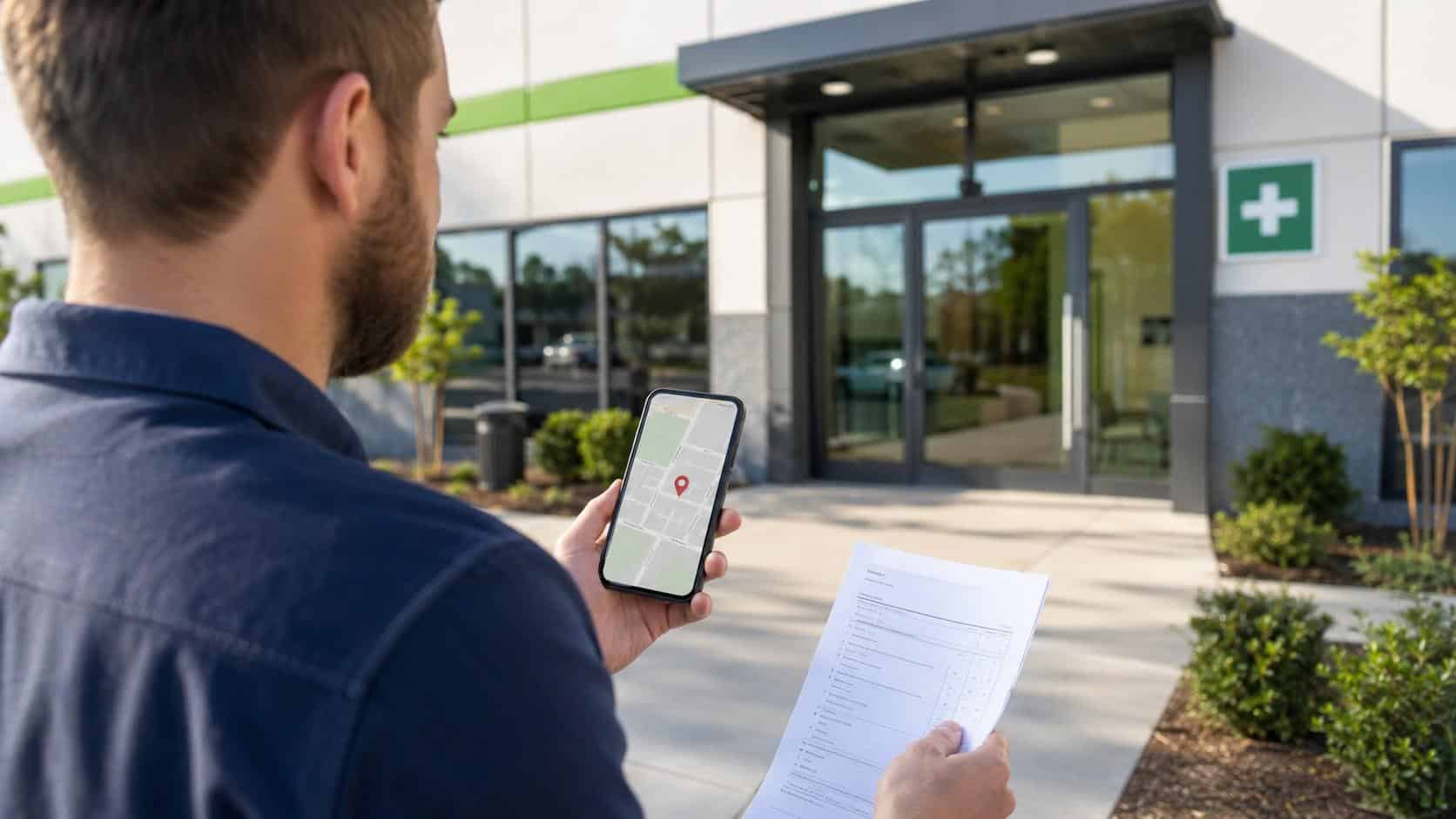
A non-DOT drug test is a workplace drug test conducted outside the federal Department of Transportation testing program. You cannot assume that every testing center offers the exact service you need. Before visiting a clinic, confirm the test type, specimen method, employer instructions, and whether that location can process your specific order.
What does non-DOT testing mean?
Non-DOT testing refers to workplace drug or alcohol testing that an employer conducts outside DOT authority. Employers commonly use it for workers who do not perform DOT-regulated safety-sensitive transportation duties.
Companies may use workplace screening for:
- Pre-employment checks
- Random testing
- Post-accident situations
- Reasonable suspicion
- Return-to-work programs
- Company substance abuse policies
Non-DOT programs generally give employers more flexibility over the drug panel, specimen type, and testing circumstances. However, employers must still consider federal, state, and local laws. Workplace testing rules can vary significantly by state.
Can any testing center perform the screening?
No. A testing center may offer workplace drug screening without offering every test, specimen type, or employer program.
One location may collect urine but not oral fluid. Another may accept employer-authorized testing but not self-ordered screening. A clinic may also participate in one testing network but not another.
Before you go, ask:
- Do you perform non-DOT workplace testing?
- Do you offer the panel my employer ordered?
- Which specimen types do you collect?
- Do you accept walk-ins?
- Do I need an employer authorization or donor pass?
- Can I purchase the screening myself?
Calling ahead can prevent a wasted trip.
Employers that regularly arrange workplace collections can use professional drug testing services instead of coordinating every test separately.
How do I find the right testing center near me?
Start with a local search, but do not choose a collection site based only on distance. The closest clinic may not support your employer’s order or required specimen type.
Useful searches include:
- non-DOT drug testing near me
- workplace drug screening center
- pre-employment drug test near me
- urine drug testing center
- employment drug screening near me
If your employer gave you a donor pass, registration code, or specific collection location, follow those instructions first. The testing order may connect to a particular collection network.
Do I need an employer order before testing?
Not necessarily. Whether you need an employer order depends on the testing provider and why you need the test.
For pre-employment screening, the employer often creates the order before sending the applicant to a collection site. The applicant then brings photo identification and any registration or authorization information.
Some providers also offer self-ordered workplace or personal testing. If you want to arrange your own non-DOT drug test, contact the location first and confirm that it accepts individual orders.
Which specimen types can employers use?
Urine remains a common choice for workplace screening, but non-DOT programs can use other specimen types when applicable law and company policy allow them.
Depending on the program, employers may choose:
- Urine
- Oral fluid
- Hair
- Other permitted testing methods
Because non-DOT testing sits outside the DOT testing framework, employers may have more flexibility in choosing their method. That flexibility does not remove the need to follow state and local restrictions. SAMHSA notes that workplace testing requirements differ across jurisdictions.
Which substances can workplace screening detect?
A non-DOT drug test checks for the substances included in the panel selected by the employer or testing program. There is no single drug panel that every non-DOT employer must use.
A commonly used panel may include substances such as:
- Marijuana or THC
- Cocaine
- Amphetamines
- Opioids
- PCP
Employers may choose broader or different panels depending on their workplace policy and applicable law.
That means two applicants working for different companies can receive different tests even when both employers describe them as non-DOT screening.
How does DOT testing differ from non-DOT screening?
DOT testing follows federal transportation regulations. Non-DOT screening follows the employer’s separate workplace program and the other laws that apply to that employer.
This distinction matters for transportation companies.
A CDL driver performing DOT-regulated safety-sensitive duties may need testing under DOT rules. An office employee, warehouse worker, or other employee outside DOT coverage may participate in a separate company program.
DOT and non-DOT tests must remain separate. DOT regulations require employers to keep the two types of testing separate, and FMCSA does not allow non-DOT-covered workers to join the same random testing pool as DOT-covered employees.
Businesses that manage both groups can use drug and alcohol compliance support to keep their testing procedures organized.
What happens during the appointment?
The process usually starts after the employer or individual orders the screening. The donor then visits the collection site designated by the employer or testing provider.
A typical appointment may include:
- Checking in at the collection center.
- Showing valid photo identification.
- Providing an authorization or donor pass when required.
- Following the collector’s instructions.
- Providing the requested specimen.
- Completing collection documentation.
- Waiting for the authorized result.
Exact procedures depend on the provider, specimen type, test panel, and employer program.
How should I prepare for testing?
Preparation is usually simple. Confirm your location and test type, bring valid identification, and follow the instructions from your employer or testing provider.
Bring any documents or information your employer gave you, such as:
- Government-issued photo ID
- Donor pass or employer authorization
- Registration number
- Appointment confirmation
For a urine collection, follow the provider’s instructions rather than trying to change your normal routine before the appointment.
What happens after a positive result?
The consequences of a positive result depend on the employer’s written policy, the testing process, applicable employment laws, and the circumstances of the test.
An initial non-negative screen may require additional laboratory testing or review before the employer receives a final result.
For CDL drivers, an important distinction applies: a positive non-DOT result does not become a DOT test result simply because the employee also holds a CDL. Employers may not report positive results or refusals from non-DOT tests to the FMCSA Drug and Alcohol Clearinghouse as DOT violations.
What should employers know before starting a program?
Employers should create a clear written policy before implementing workplace drug testing. The policy should explain who may face testing, when testing occurs, and what consequences can follow a policy violation.
Employers should also apply their policies fairly and consistently. SAMHSA recommends written policies and emphasizes the need to consider federal, state, and local worker protections when developing a drug-free workplace program.
Transportation employers should pay particular attention to keeping company-authority testing separate from their federally required DOT program.
Companies that need ongoing assistance can enroll in a drug and alcohol testing program rather than managing testing and compliance tasks separately.
Where can I take a Non-DOT drug test?
You can take a non-DOT drug test at a clinic or collection center that supports the specific workplace screening you need. Not every facility offers every panel, specimen method, or employer testing program.
Before you visit, verify the service, location, and employer instructions. Bring your identification and testing information, follow the collector’s directions, and wait for the authorized final result.