


What Should I Know Before Visiting a US Drug Testing Center?

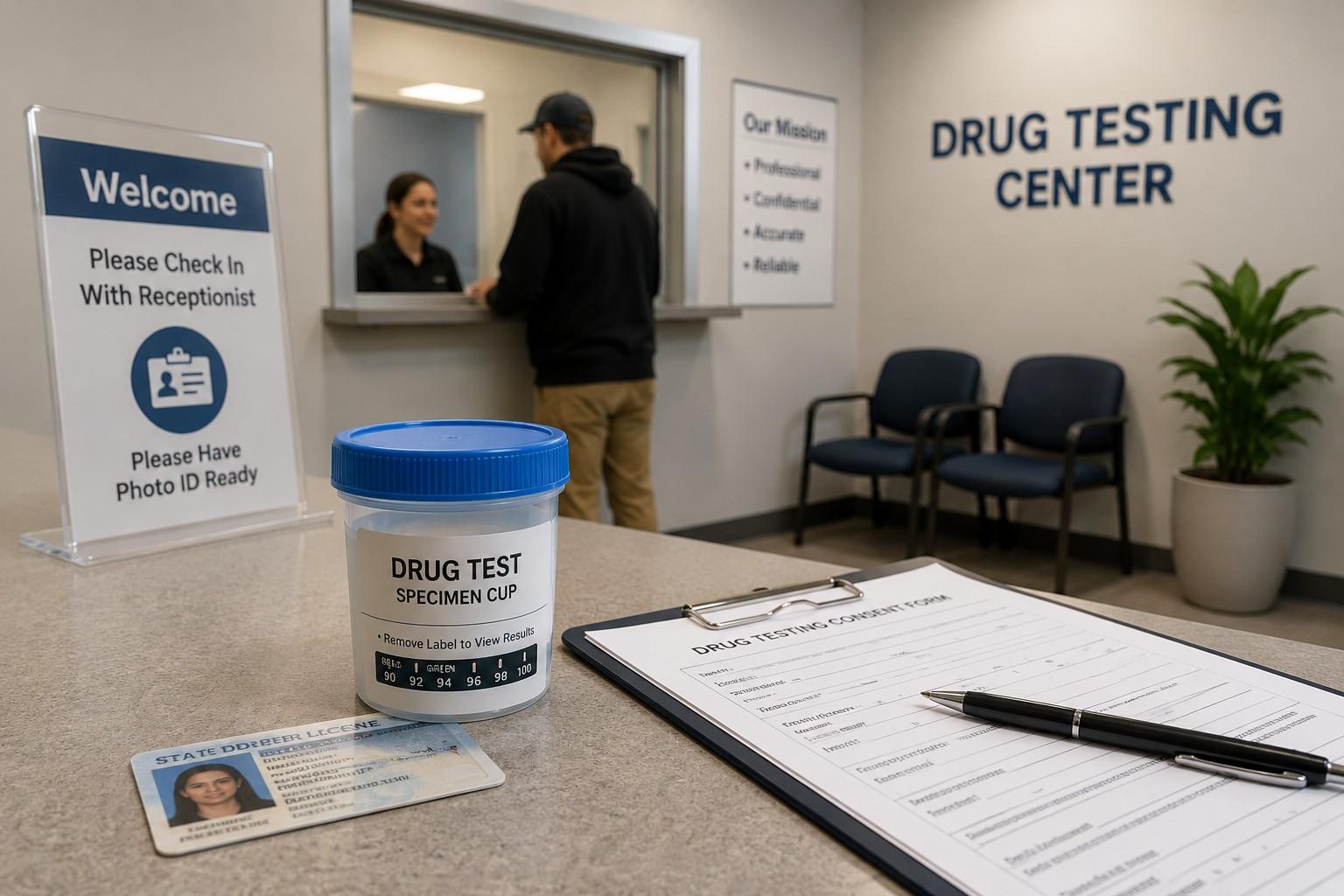
Before you visit a US drug testing center, confirm the exact test type, bring a valid photo ID, and make sure the location offers the service you need. You should also expect a structured collection process, especially for DOT testing, where staff may check ID, control personal items, and follow strict specimen handling rules.
What should I know before I go?
The most important thing is to know why you are being tested and what kind of test you need. A pre-employment visit, a DOT visit, and a general workplace drug screen may look similar at first, but they do not always follow the same rules. DOT testing follows 49 CFR Part 40, which sets the required procedures for federally regulated transportation drug and alcohol testing.
You should also confirm that your chosen location actually offers the service you need. Labcorp says not all locations offer all services, and walk-in availability can vary by site. That means a broad search result is not enough. You should check the exact location page or call ahead before you leave home.
What should I bring to a drug testing center?
Bring a valid photo ID and any paperwork your employer, clinic, or testing platform gave you. For DOT urine collections, the collector must require positive identification, and DOT specifically says the collector must see an employer-issued photo ID or a government-issued photo ID, such as a driver’s license.
It is also smart to bring any registration number, donor pass, appointment details, and the employer’s or program administrator’s contact information. Some patient and workplace testing providers also advise bringing the test request form if the visit was ordered through a healthcare professional or employer portal.
A simple checklist helps:
- Government-issued photo ID
- Employer form, donor pass, or registration code
- Appointment confirmation if you booked ahead
- Employer contact information
- Payment or insurance details if the visit is not fully employer-paid
What happens during the collection process?
Most people expect a quick clinic visit, but the collection process is more controlled than a routine appointment. DOT guidance says employees may be required to empty pockets, remove outer garments, leave bags behind, and wash their hands before the specimen collection begins. Staff also maintain control of the specimen and collection paperwork during the process.
That structure exists for a reason. Collection site security rules help reduce tampering, specimen mix-ups, and privacy problems. DOT guidance also says collection areas should be secured and collectors should prevent access to items that could dilute or alter the specimen.
For many workplace tests, especially urine drug tests, the visit itself is straightforward. You check in, show ID, follow instructions, provide the specimen, and leave once the paperwork is complete. The part that matters most is following directions exactly and not trying to rush or improvise.
How is a DOT visit different from a non-DOT visit?
A DOT visit usually follows stricter rules because federal transportation testing requires compliance with Part 40 procedures. That affects identification, collection steps, documentation, result handling, and the role of the Medical Review Officer, or MRO.
For federal workplace drug testing, SAMHSA says HHS-certified laboratories conduct the testing and report specimen results. SAMHSA also states that urine and oral fluid are the specimen types currently authorized under the federal workplace drug testing guidelines.
That does not mean every local clinic handles every regulated program. A center may collect the specimen locally, while the actual testing and review move through certified labs and qualified reviewers. If your visit is DOT-related, you should ask the site whether it handles DOT collections specifically, not just general employment screening.
What mistakes should I avoid before the test?
Do not assume the nearest clinic is the right one. Do not show up without ID. Do not rely on a search result alone. And do not try to “beat” the test by drinking excessive water or doing anything unusual before arrival. Those choices can create delays, collection problems, or questions about the specimen.
The safest approach is simple. Drink normally, arrive on time, and follow instructions. If you take prescription medication and worry about how it could affect the result, do not argue with the front desk. In regulated testing, staff at the site do not decide medical explanations on the spot. DOT says the MRO is responsible for receiving and reviewing laboratory results and evaluating medical explanations for certain drug test results.
What should I expect after the test?
After the collection, your result usually does not come back like casual clinic paperwork. For regulated testing, the result moves through the proper reporting chain, and the MRO helps review certain drug test results when needed. DOT also requires confidentiality protections for employee test information.
That means you may not get a final answer at the collection desk. Depending on the program, results may go to the employer, designated representative, MRO, or another authorized party. If there is a question about a legitimate medical explanation, that review can happen after the specimen leaves the collection site.
What is the easiest way to prepare?
The easiest way to prepare is to confirm the test type and location, bring your ID, and expect a structured visit. If you do those four things, most of the common problems disappear before they start.
In practical terms, visiting a US drug testing center should not feel confusing. It should feel organized. The more specific you are before you go, the smoother the process will be once you arrive.