


What Is Drug and Alcohol Screening and Why Does It Matter?

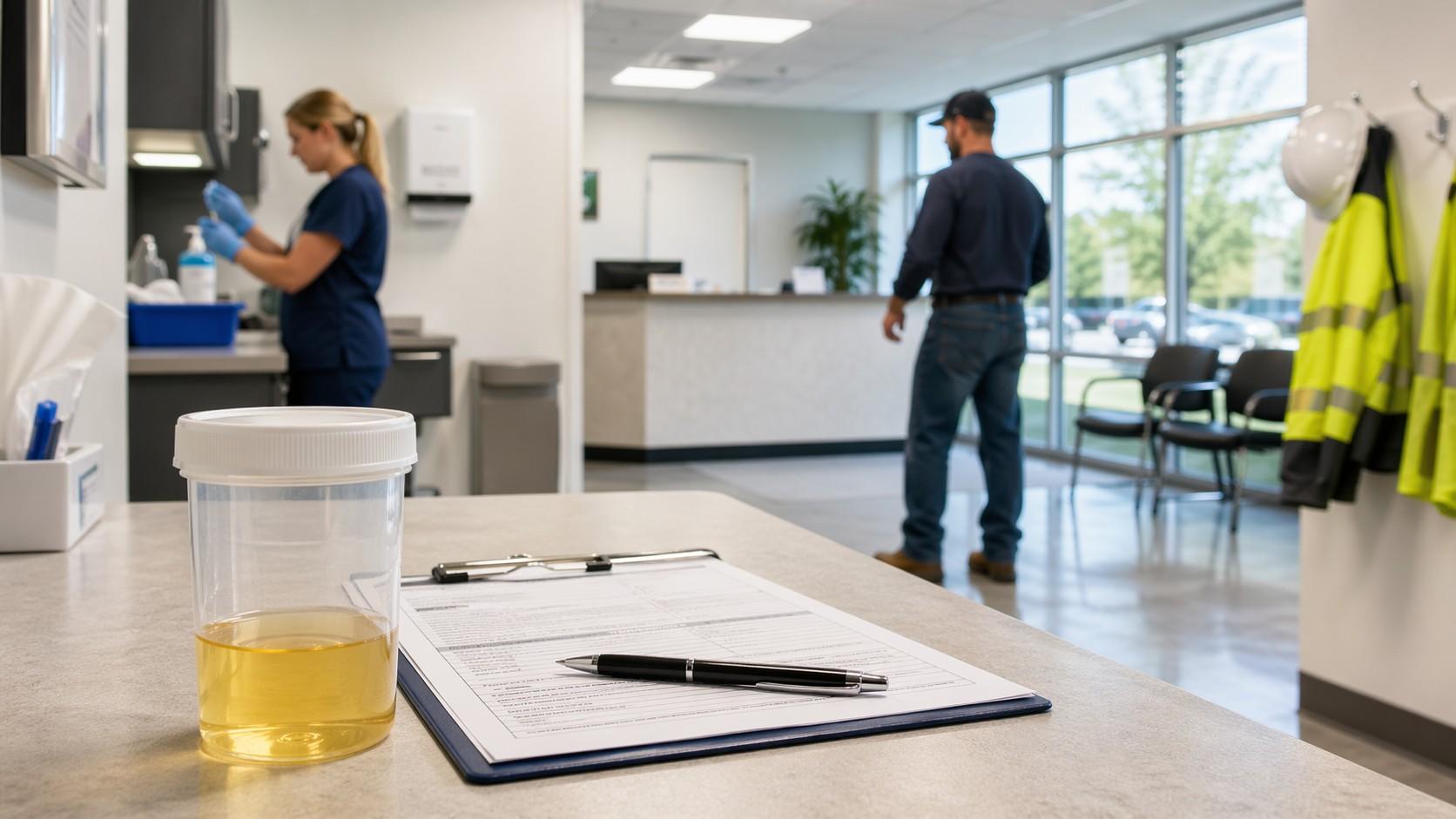
Drug and alcohol screening helps employers protect safety, reduce risk, and make better hiring and compliance decisions. In simple terms, it means checking whether a person has used alcohol, illicit drugs, or other substances that may affect performance, judgment, or safety on the job.
For some employers, this process starts with a pre-employment drug screen. For others, it includes random, post-accident, or follow-up testing. In regulated industries, drug and alcohol screening is not just a policy choice. It is a core part of staying compliant and keeping operations organized.
What is drug and alcohol screening?
Drug and alcohol screening is the process of testing a person for alcohol or controlled substances as part of hiring, workplace compliance, or ongoing safety monitoring.
A drug test may involve urine, breath, saliva, or another approved method. In many workplaces, urine drug tests remain one of the most common forms of testing because they are widely used, familiar, and practical for employers.
The goal is not just to collect a sample. The goal is to support a safer workplace and apply company policy in a clear and consistent way.
Why does drug and alcohol screening matter?
Drug and alcohol screening matters because safety matters. If a worker performs a safety-sensitive job, poor judgment or impairment can create serious problems for the employer, coworkers, and the public.
A clear testing process also helps employers respond to potential substance abuse issues in a more structured way. Instead of relying on assumptions or inconsistent decisions, the employer can follow a set process based on policy and documentation.
That protects the business and helps create a more professional workplace.
What kinds of tests do employers use?
Employers use several types of testing depending on the situation. Some tests happen before a person starts work. Others happen during employment or after a specific event.
The most common types include:
- Pre-employment drug screen
- Random drug test
- Reasonable suspicion drug and alcohol test
- Post-accident drug and alcohol screening
- Return-to-duty drug test
- Follow-up testing
Each type serves a different purpose. A pre-employment drug screen helps with hiring. A random drug test supports ongoing compliance. A post-accident drug test helps employers respond to incidents in a more organized way.
How does the screening process work?
The process usually starts with a reason for the test. That may be hiring, random selection, policy enforcement, or an accident review.
Then the employee or applicant receives instructions and reports to the testing site. Staff verify identity, explain the process, and collect the required sample.
After that, the sample moves through the proper review and reporting steps. If the employer uses urine drug tests, the sample goes through the right handling process before the result reaches the employer or program administrator.
A good provider makes this process feel simple, organized, and consistent.
What does a drug screen actually check for?
A drug screen looks for certain substances or their markers in the body. The exact panel depends on the employer, the program, and the testing rules that apply.
In many cases, employers want to identify the use of illicit drugs that could affect workplace safety or violate company policy. Some programs focus on federally regulated panels. Others use broader workplace panels.
That is why employers need to know exactly what kind of drug test they are ordering before they begin.
What is the difference between a single drug test and a full program?
A single drug test is one event. A full drug and alcohol program includes much more.
It may include policy setup, random selections, recordkeeping, paperwork support, provider coordination, and follow-up actions. That difference matters because many employers think they only need a clinic. In reality, they may need a full system that supports ongoing compliance.
For owner operators, fleets, and other regulated employers, that bigger structure often matters more than the test itself.
What should employers look for in a provider?
Employers should choose a provider that understands drug and alcohol testing, responds quickly, and explains the process clearly.
Look for these signs:
- Clear service descriptions
- Reliable scheduling
- Experience with workplace drug and alcohol programs
- Strong recordkeeping
- Support for urine drug tests and other test types
- Understanding of compliance requirements
- Fast and direct communication
A weak provider creates confusion. A strong one helps the employer stay organized from the first drug screen to ongoing program support.
What mistakes should employers avoid?
One big mistake is treating testing like a one-time task instead of part of a wider safety process.
Another mistake is choosing the cheapest provider without checking service quality. Low cost does not help much if the provider gives vague answers, poor communication, or weak recordkeeping.
Employers should also avoid unclear policies. If the rules are not clear, drug and alcohol screening becomes harder to manage and easier to challenge.
Why drug and alcohol screening matters
Drug and alcohol screening is a practical tool for safer workplaces, better hiring decisions, and stronger compliance. A drug screen or drug test may look simple on the surface, but the value comes from the system behind it.
When employers choose the right provider, use the right test, and apply the process consistently, they can address risk, respond to substance abuse concerns, and maintain a more reliable workplace.