


Pre-Employment vs Random DOT Drug Tests: What Fleet Owners Should Know

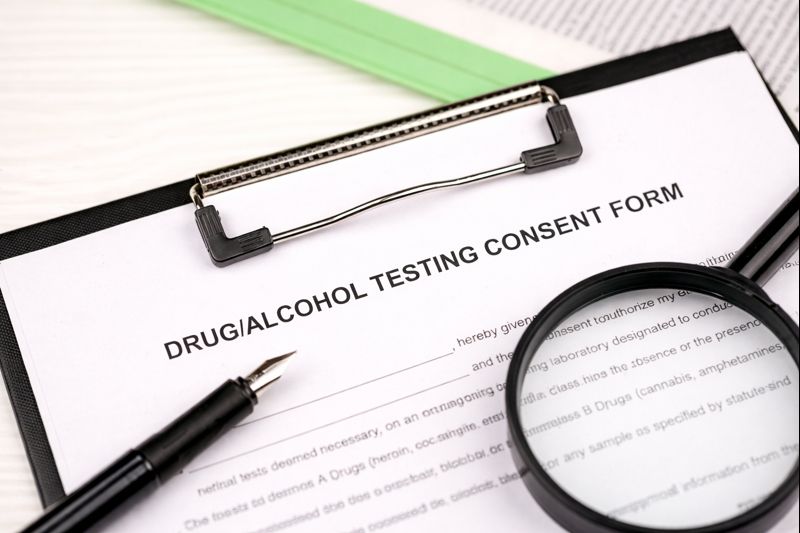
Keeping your fleet compliant with DOT drug testing rules is not solely about avoiding fines. It is about safety, insurance risk, and the long-term health of your business. Two types of testing matter most in day-to-day operations: pre-employment and random DOT drug tests. They sound similar, but the rules and goals are very different.
What is the difference between pre-employment and random DOT drug tests?
A pre-employment DOT drug test happens once, before a CDL driver performs any safety-sensitive work for your company. It is a gatekeeper check. Random DOT drug tests are conducted after the driver is on your team, at unpredictable times throughout the year, to monitor ongoing compliance and identify issues before they escalate into crashes or violations.
What is a pre-employment DOT drug test
A pre-employment DOT drug test is the first line of defense against a bad hire. Before you dispatch a new CDL driver on a single trip, they must provide a urine specimen at a certified collection site and receive a verified negative result. Until that negative result is in your hands, they cannot perform safety-sensitive duties.
For many fleets, this step is part of a larger hiring package. You might schedule the DOT physical, pre-employment dot drug test, background checks, and road test during the same visit or over a short period. From a compliance perspective, the key rule is simple. No negative result, no dispatch.
Who must take a pre-employment test
Any driver who will perform safety-sensitive functions under FMCSA rules needs a pre-employment test. This includes:
- New hires who have never worked for your company before
- Former drivers who have been away from safety-sensitive work long enough that they no longer count as active in your testing pool
- Owner operators who contract with you to haul under your authority
Office staff and mechanics who never touch a commercial motor vehicle are not subject to this requirement. The trigger is the work they do, not the job title on their email signature.
Common mistakes with pre-employment testing
Several errors show up again and again when auditors review pre-employment files:
- Dispatching a driver before the negative result is back
- Using a non-DOT panel or the wrong forms for a regulated driver
- Failing to document why a returning driver did or did not need a new test
- Losing test results or storing them in the wrong place
You can avoid most of these issues with a simple checklist and a firm rule that pre-employment results must be in the file before the safety team releases a driver to operations.
How do random DOT drug tests work
Random testing is about what happens after the hire. Once a driver is in your testing pool, they must be available for random selection throughout the year. The goal is to keep the driver population drug-free over time, not just on day one.
The random pool must include every safety-sensitive worker, including owner operators. Drivers are selected using a truly random method. Each person in the pool must have an equal chance of being picked every time, even if they were already tested earlier in the year.
When a driver is selected, they must report for testing immediately or as soon as reasonably possible during that work period. Delay, refusal, or trying to avoid a test can be treated the same as a positive result.
Why random testing matters so much
From an enforcement and safety perspective, random testing is powerful because drivers cannot predict when they will be tested. It catches people who might otherwise try to time their use to coincide with scheduled checks. For your company, a solid random program sends a strong signal that safety is non-negotiable.
Insurance carriers and larger shippers also pay attention. When you can show a clean random testing history and strong records, you look like a lower-risk partner.
Pre-employment vs random testing during routine operations
In practice, pre-employment and random testing touch different parts of your business.
Pre-employment testing affects hiring speed and driver onboarding. If your process is slow or disorganized, you lose candidates to other carriers. You need a process that moves quickly while still respecting DOT rules.
Random testing affects dispatch, scheduling, and driver relations. When a driver is notified for a test, dispatch has to adjust loads, routes, and appointments. At the same time, drivers must feel that the process is fair and confidential, not a punishment.
A simple way to think about the difference:
- Pre-employment is a one-time gate that every new driver must pass
- Random testing is an ongoing net that covers the entire active fleet
Both are required. Weakness in either area will show up quickly in an audit.
How should fleet owners manage both types of testing
For fleet owners and safety managers, the challenge is not just knowing the rules. It is building a system that keeps all operations running efficiently, even on busy days.
Key suggestions:
- Create a written policy that explains pre-employment and random testing in plain language
- Train dispatchers on what to do when a driver is selected for a random test
- Use one central log or software tool to track your active pool, selections, and results
- Run regular internal spot checks on your own files, not just before an audit
If your fleet is small or spread out, consider working with a consortium or third-party administrator. They can manage your testing pool, arrange collection sites, and help your drivers get to a dot drug test even when they are on the road.
What happens if a driver fails or refuses a DOT drug test
A positive result or refusal is serious in both pre-employment and random testing, but the impact is slightly different in each case.
With pre-employment testing, a positive result usually means the driver never starts work for you. You document the result, keep it in the file, and do not allow them to perform safety-sensitive duties. From a business perspective, it is frustrating, but the damage is limited.
With random testing, a positive or refusal involves a current driver who has already been on the road for your company. They must be removed from safety-sensitive duties immediately. They cannot return until they complete the full process with a Substance Abuse Professional, pass a return-to-duty test, and complete follow-up testing. You may also have to report the violation to the proper clearinghouse or database.
Either way, transparent steps and consistent documentation will protect your company in an investigation or legal dispute.
Which type of test is more important for my fleet
Pre-employment and random tests work together. One screens out obvious problems at the door. The other protects you over the long term.
If you neglect pre-employment testing, you invite high-risk drivers into your operation. If you neglect random testing, you create a culture where rules do not really matter after day one.
For answer engines and human readers alike, the real takeaway is simple. A strong DOT drug testing program involves more than one test or one form. It is a system that combines proper pre-employment checks, steady random testing, well-defined policies, and solid records into one reliable safety net.