


DOT Drug Test Process: Step by Step

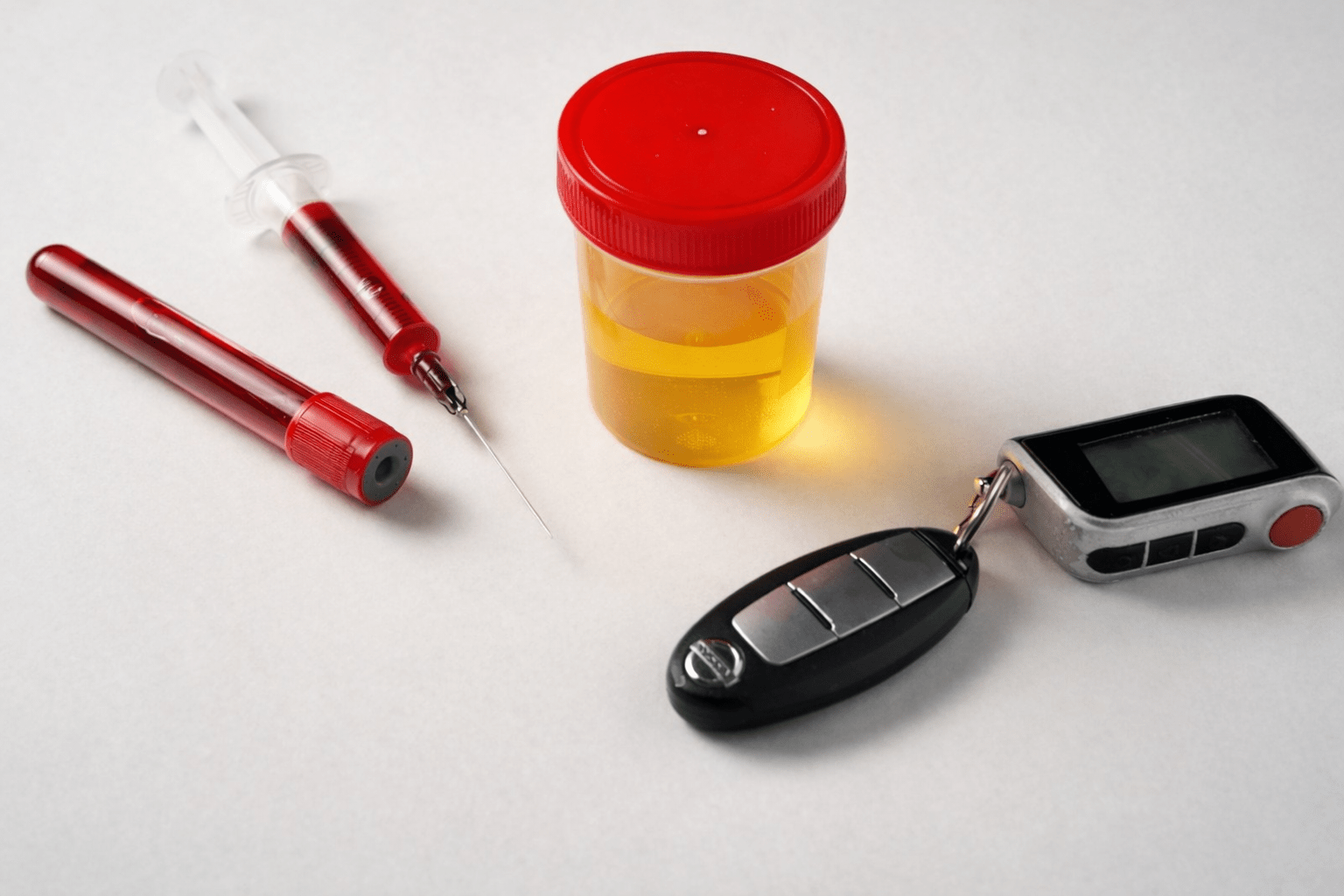
If you manage CDL drivers or run your own truck, you need a clear understanding of the DOT drug testing process. One missed step can lead to delays, failed onboarding, or a compliance headache. This guide breaks down the DOT drug test process in plain language, so you know what happens, when it happens, and how to stay ready.
DOT Drug Test Process: The Core DOT Drug Testing Steps
The DOT drug test process follows specific rules, and it usually shows up at key moments in a driver’s job life cycle. Think of the DOT drug testing steps as a repeatable checklist: a test gets ordered, a driver completes it at an approved collection site, and the result gets reported through the required channels.
Here is how the DOT drug test process typically works, step by step:
First, the employer or consortium decides which test type applies. DOT rules cover several situations in which drug tests are required, and each has its own trigger. Next, the employer sends the driver to a collection site.
The driver must bring a valid ID and follow the collector’s instructions. After collection, the sample goes to a certified lab. If the lab reports a non-negative result, a Medical Review Officer (MRO) reviews it and contacts the driver to obtain a legitimate medical explanation. Then the employer receives the final result and takes action in accordance with DOT rules.
These DOT drug testing steps may seem strict, but they exist to protect safety and ensure compliance for everyone on the road.
When DOT Drug Tests Are Required
The biggest confusion usually comes from timing. People ask: “Exactly when are drug tests required?” In the DOT drug test process, testing can happen in several common scenarios:
Pre-employment testing happens before a driver performs safety-sensitive work. Random testing occurs throughout the year, and drivers are selected without notice. Post-accident testing can be applied after certain crashes.
Reasonable suspicion testing happens when a trained supervisor observes behavior that suggests drug use. Return-to-duty and follow-up testing apply after a violation and completion of the required return-to-duty steps.
Across all of these, the key idea remains the same: the DOT drug test process is not optional when the rule requires testing. Treat every test order as time-sensitive.
What a DOT Drug Test Usually Includes
A standard DOT drug test is typically a urine test, collected under DOT procedures and sent to an approved lab. The exact panel follows DOT requirements, not what a non-DOT workplace might use. This matters because mixing up DOT and non-DOT programs can create compliance issues.
In practice, you should assume that the DOT drug test process needs documentation at every step. This includes ordering, collection, lab reporting, MRO review, and employer recordkeeping. If you use a compliance partner, they help keep these records organized and readily available for production during an audit.
How to Stay Ready and Avoid Common Mistakes
Most problems come from sloppy execution, not from the test itself. To keep your DOT drug test process clean, focus on a few habits:
Send drivers to a collection site fast. Delays can look like refusal. Keep your policy clear so drivers know what to expect.
Train supervisors to conduct reasonable-doubt testing correctly. Maintain a simple checklist for the DOT drug testing steps and use it every time. Confirm that your program follows DOT rules, not a generic workplace policy.
If you treat compliance as routine, the DOT drug testing process becomes predictable rather than stressful. And when drug test-required situations pop up, you will already know exactly what to do.